Sticker printing Penang
Sticker printing in Penang for products & business
Jprint Studio produces small-format stickers and labels for products, packaging, promotions, operations and equipment. We help define the surface, exposure, material, adhesive, finishing and cut before print.

Start with the job
Choose the sticker route before choosing a material
This page covers small-format stickers. Window, wall and glass graphics use a different large-format process and have their own service page.
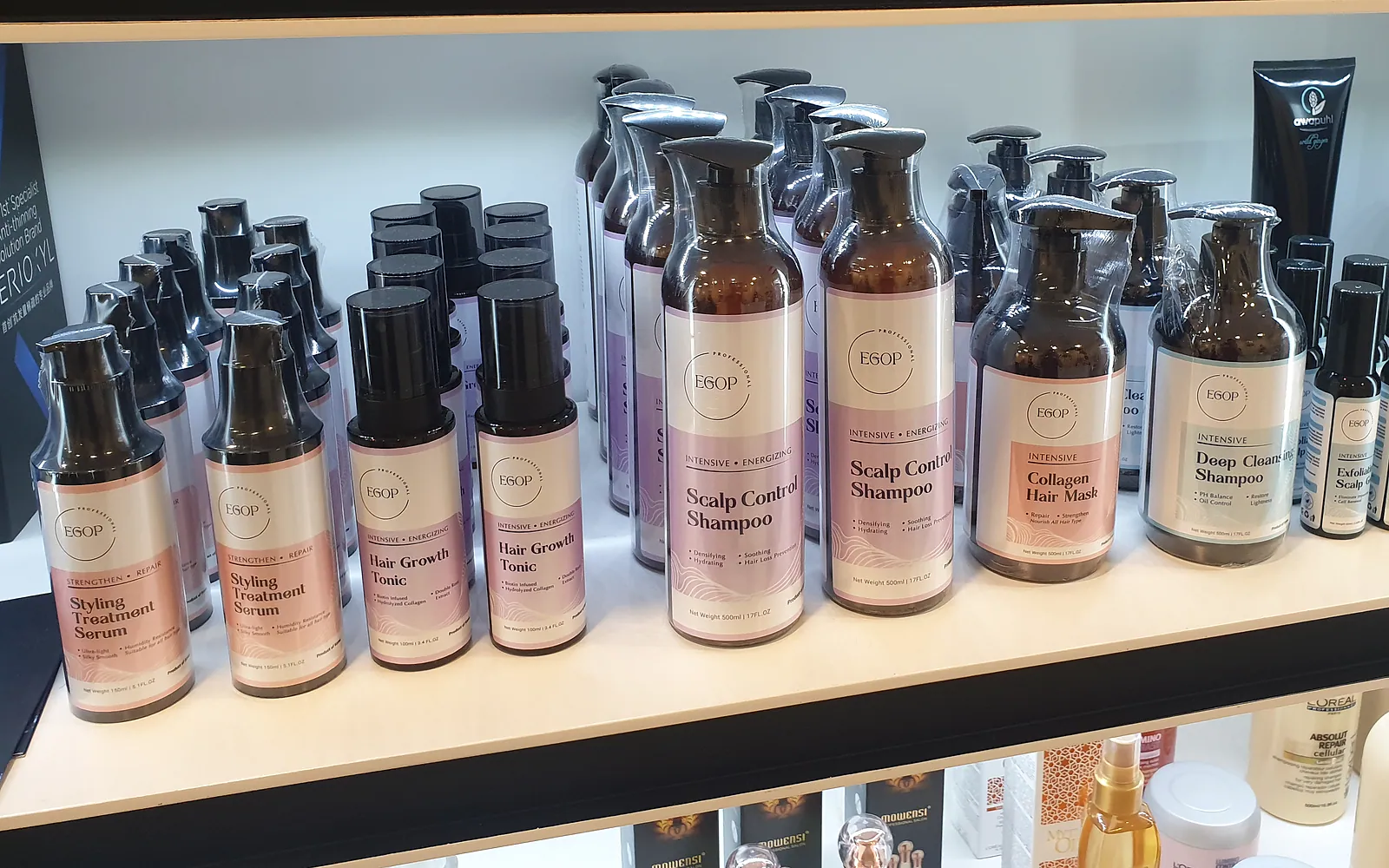
Product Labels
Bottles, jars, food packs, cosmetics, retail products and coordinated variants.
View product label printing
Packaging Stickers
Box seals, pouch stickers, ingredient labels and launch-ready packaging sets.
View packaging stickers
QR, Barcode & Warning
Scannable codes, serial information, instructions and practical equipment labels.
View operational labels
Business & Promo Stickers
Campaign stickers, price labels, giveaways, envelope seals and everyday business use.
Send a sticker briefMoisture & handling
Match the material to the real exposure and surface.
TransparentClear presentation
Keep the container visible and plan white ink where needed.
Die-cutCustom shapes
Circles, rounded corners, contours, sheets or loose pieces.
Large formatWindow & wall graphics
Use the dedicated route for glass, walls and shopfronts.
Material decision
Match the sticker to its surface and exposure
There is no single best sticker material. The correct route depends on surface, moisture, oil, heat, abrasion, storage, application and removal expectations.
Dry packaging & short use
A practical route for boxes, envelopes, paper bags and selected indoor promotions.
More handling resistance
Useful when the label needs a plastic base and better moisture or handling tolerance.
Show the container
Plan the print, background colour and white ink around the actual packaging surface.
Control the visual finish
Choose the surface feel after checking artwork, colour, handling and brand presentation.
Add finish where suitable
Lamination or coating may help selected jobs, but it does not replace exposure testing.
Define shape and supply
Confirm the cut line and whether stickers are supplied on sheets, rolls or loose pieces.
Terms such as waterproof, removable, freezer-safe or outdoor durable depend on the exact surface, adhesive, exposure, application and expected lifespan. Share the real use and request a sample or test when failure would be costly.
Production workflow
Move from application to approved sticker
Defining the surface and use first prevents the artwork from being built around the wrong material, cut or supply format.
Show the application
Send a product or surface photo, dimensions, exposure and expected use.
Choose the route
Confirm material, adhesive expectation, finish, shape and supply format.
Approve artwork & data
Lock wording, claims, colours, cut line, QR or barcode data and quantities.
Print, finish & pack
Produce the approved specification and prepare sheets, rolls or pieces as quoted.
Quote details
Six details make sticker pricing clearer
Minimum quantity and unit price depend on size, material, number of designs, cutting, finishing and production method.
Sticker quote checklist
- 01Application, surface photo and indoor or outdoor use.
- 02Water, oil, heat, abrasion, cold or removal expectations.
- 03Final width, height, shape and application area.
- 04Quantity per design and total number of designs.
- 05Material, finish, sheet, roll or loose-piece preference.
- 06Artwork, required date, packing and delivery needs.
Sticker printing FAQ
Questions to settle before production
Surface, exposure, size, quantity, artwork, scan data and application method are the practical starting points.
What is the difference between sticker and label printing?
Sticker printing is the broader term. Labels usually serve a product, packaging, equipment or operational purpose where material, adhesive, data and finishing need closer control.
What is the minimum sticker quantity?
Minimum quantity depends on sticker size, number of designs, material, cutting, finishing and production method. Send the specification so the practical quantity route can be quoted.
Can you print waterproof stickers?
Synthetic materials can improve moisture resistance, but suitability depends on the surface, adhesive, exposure, application and expected lifespan. Share the real use and test when necessary.
Can you print transparent and die-cut stickers?
Yes, subject to artwork, size, quantity and production suitability. Transparent work may need white ink planning, while die-cut jobs need an approved cut line and supply format.
Can you print QR codes and barcodes?
Yes. The customer should supply and approve the final data, URL and code. Scan testing should be completed at the actual printed size and on a production sample where practical.
Who approves product wording and regulatory claims?
The customer is responsible for final product names, ingredients, claims, warnings, legal text, serial data and spelling. One authorised contact should approve the final proof before production.
Specialist routes
Continue with the service that fits the job
Use a focused page when your sticker needs product, packaging, exposure, scanning or large-format guidance.
Send the sticker use, size and quantity
Include a product or surface photo, exposure, number of designs, material preference, artwork and required date for a clearer quotation.